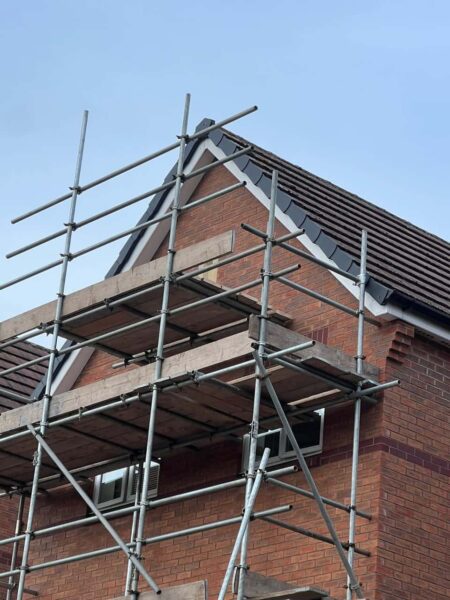
7 Common Reasons Roof Tiles Go Missing or Slip in Bircotes
Roof tiles are designed to provide long-term protection against the elements, yet it is not uncommon for tiles to become loose, slip out of position, or go missing entirely. In Bircotes, Nottinghamshire, changing weather conditions and natural roof ageing can all contribute to these issues. Understanding why roof tiles fail helps homeowners recognise early warning signs and take timely action to protect their property.
At KAD Roofing Bircotes, slipped and missing tiles are regularly identified during inspections, often before more serious damage develops.
1. Strong Winds and Sudden Weather Changes
High winds are one of the most common causes of slipped or missing roof tiles.
Uplift pressure on tiles
Wind does not simply blow across a roof surface; it can lift tiles from beneath, especially along edges and ridges. Once a tile loses its secure fixing, it may shift or dislodge completely.
2. Natural Wear of Fixings and Battens
Roof tiles rely on fixings and battens to remain securely in place.
Age-related deterioration
Over time, nails, clips, and timber battens can weaken due to moisture exposure and general ageing. When these supporting components degrade, tiles may no longer be held firmly, increasing the risk of movement.
3. Poor Installation or Inadequate Fixing
Installation quality plays a key role in how well tiles perform.
Insufficient fixing methods
If tiles were not fixed correctly during installation, they may lack the resistance needed to withstand weather exposure. This can lead to gradual slipping, even under normal conditions.
4. Roof Movement and Settlement
All buildings experience some degree of natural movement.
Structural shifts affecting alignment
Minor settlement or changes in roof alignment can alter how tiles sit on the roof. When alignment shifts, tiles may no longer overlap correctly, making them more likely to slip.
5. Debris Build-Up and Water Retention
Debris on the roof can interfere with tile stability.
Moss and leaf accumulation
Moss, leaves, and dirt can trap moisture and create uneven surfaces beneath tiles. This added moisture can weaken fixings and encourage tiles to slide out of position over time.
6. Previous Repairs or Alterations
Not all roof work affects tiles in the same way.
Disruption during maintenance
Tiles can become loose following previous repair work if they were disturbed and not properly re-secured. Even small adjustments can leave tiles vulnerable if not finished correctly.
7. Thermal Expansion and Contraction
Temperature changes affect roofing materials throughout the year.
Repeated expansion cycles
As temperatures rise and fall, roofing materials expand and contract. Over time, this movement can loosen fixings and gradually allow tiles to slip, particularly on older roofs.
Why Early Attention Matters
Missing or slipped tiles expose the roof structure to the elements. Once water is able to enter beneath the tile layer, it can affect underlay, battens, and internal areas of the property. Addressing the cause early helps prevent wider damage and maintains the roof’s ability to protect the building.
Conclusion
Roof tiles can go missing or slip for a variety of reasons, from strong winds and ageing fixings to natural roof movement and installation issues. While a single displaced tile may seem minor, it often indicates an underlying issue that should be assessed promptly.
For homeowners in Bircotes, Nottinghamshire, professional inspection and timely repair are key to maintaining a secure and weather-resistant roof. KAD Roofing Bircotes provides experienced assessment and repair services designed to identify the cause of tile movement and restore roof integrity. If you have noticed slipped or missing tiles, our team is available to offer clear guidance and reliable roofing solutions tailored to your property.
Call us on: 01302 490 889
Click here to find out more about KAD Roofing Bircotes
Click here to complete our contact form and see how we can help with your roofing needs.