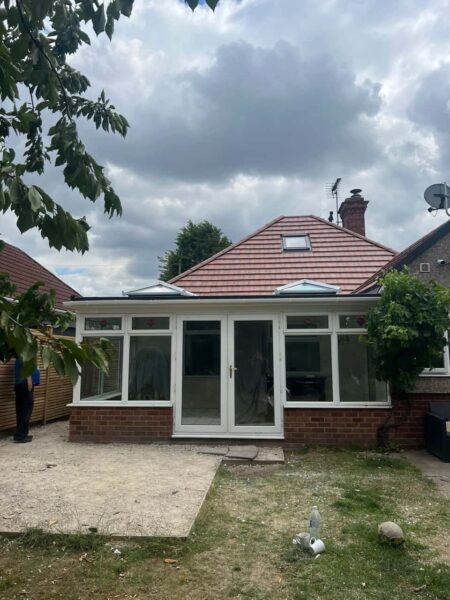
Storm Damage and Emergency Roof Repairs: Protecting Your Property from Further Damage
Storms can put considerable pressure on a roof, causing tiles to slip, ridge components to loosen and flashing to become damaged. Even a small defect can allow rainwater to enter the property, potentially affecting ceilings, insulation, roof timbers and internal finishes. Acting quickly after storm damage helps limit further deterioration and restores the roof’s ability to protect your home.
For homeowners in Bircotes, Nottinghamshire, knowing what to look for after severe weather can make it easier to recognise when emergency roof repairs are needed. KAD Roofing Bircotes can help assess storm-related roof damage and carry out appropriate repairs to restore protection to your property.
Common Types of Storm Damage to Roofs
Storm damage is not always immediately obvious. While missing tiles and fallen debris may be easy to spot, other defects can remain hidden until rainwater begins entering the building.
Missing, Loose or Broken Roof Tiles
Strong winds can lift or dislodge roof tiles, leaving gaps in the roof covering. Tiles may also crack when struck by falling branches or other debris. Once the protective surface is compromised, wind-driven rain can reach the underlying materials.
After a storm, look for missing tiles, uneven roof lines or fragments of roofing material on the ground. Avoid climbing ladders or walking on the roof to investigate. A professional roofer can inspect the affected area safely and determine whether nearby tiles have also been loosened.
Damaged Ridge Tiles and Roof Edges
Ridge tiles sit along the highest point of a pitched roof, while verge components protect the sloping edges. Both areas can be exposed to strong winds, particularly if mortar or fixings have weakened over time.
Loose ridge tiles and damaged verges can allow water to penetrate the roof and may leave materials vulnerable to further movement. Repairs should address the affected components and check the surrounding areas to ensure the roof covering remains secure.
Damaged Flashing and Roof Junctions
Flashing helps prevent water from entering where the roof meets a chimney, wall or other structure. Storms can expose existing weaknesses or disturb flashing that is already deteriorating.
Signs of a problem may include damp patches near chimney breasts, water staining in the loft or leaks that appear during heavy rain. A roofing specialist can identify the source of the water ingress and repair the affected junction rather than simply treating the visible dampness.
Leaks and Water Ingress
A roof leak may develop during a storm or become noticeable shortly afterwards. Water can travel along roof timbers before appearing on a ceiling, meaning the visible stain may not be directly beneath the damaged section.
Look out for dripping water, discoloured ceilings, damp loft insulation and musty smells. If water is entering the property, prompt action is important to limit damage to internal surfaces and identify the opening in the roof.
What to Do Immediately After Storm Damage
Taking sensible precautions can help protect your property while you arrange professional roof repairs.
Prioritise Safety
Do not climb onto a damaged roof or attempt to replace loose tiles in wet or windy conditions. Roof surfaces can be slippery, and damaged sections may be unstable. Keep people away from areas where roofing materials could fall.
If the roof appears structurally unsafe, or there are signs of a serious risk to occupants, keep clear of the affected area and seek appropriate emergency assistance.
Limit Internal Water Damage
If water is entering the building, move furniture, electrical equipment and other belongings away from the affected area where it is safe to do so. Place a suitable container beneath a small leak if this can be done without risk.
Avoid touching wet electrical fittings, and do not enter areas where water may have reached electrical installations. If the ceiling is bulging or sagging under accumulated water, keep clear and seek professional help rather than attempting to puncture or remove it.
Arrange an Emergency Roof Inspection
A prompt inspection helps establish the extent of the damage and which repairs are most urgent. A roofer can assess missing tiles, damaged flashing, loose ridge components and other vulnerable areas that may not be visible from ground level.
Where necessary, suitable temporary measures can help reduce further water ingress until permanent repairs can be completed safely. The appropriate approach depends on the roof’s condition and the nature of the damage.
Why Prompt Emergency Roof Repairs Matter
Leaving storm damage unresolved can allow rainwater to affect more of the property. Persistent moisture may damage insulation, roof timbers, plasterwork and decorative finishes. Small openings can also become larger if loose roofing materials remain exposed to further wind and rain.
Emergency repairs focus on making the roof safe where possible, limiting additional water entry and identifying the work needed to restore its protective function. A thorough assessment is valuable because visible damage may be only part of the problem.
For properties in Bircotes, Nottinghamshire, KAD Roofing Bircotes can assess storm-related roof issues and recommend suitable repairs based on the roof’s condition. Addressing both the immediate damage and its underlying cause helps reduce the risk of recurring problems.
How to Reduce the Risk of Future Storm Damage
Although severe weather cannot be prevented, routine roof maintenance can help identify weaknesses before the next storm.
Arrange periodic inspections to check for cracked tiles, deteriorating mortar, loose ridge components and worn flashing. Keep gutters clear so rainwater can drain away effectively, and pay attention to leaks or damp patches that appear after heavy rainfall.
It is also worth addressing minor defects promptly. A loose tile or small gap around a roof junction may become a more serious problem when exposed to strong winds and persistent rain.
Conclusion
Storm damage can compromise a roof quickly, but a prompt and appropriate response helps protect your property from further deterioration. Missing tiles, damaged ridge sections, defective flashing and water ingress should all be assessed carefully, even when the damage initially appears minor.
If your roof has been affected by severe weather, contact KAD Roofing Bircotes to arrange an assessment and discuss the necessary emergency roof repairs. Acting promptly can help restore your roof’s protection and give you greater confidence in its condition.
Call us on: 01302 490 889
Click here to find out more about KAD Roofing Bircotes
Click here to complete our contact form and see how we can help with your roofing needs.